How Panoramic Maps Were Made
How nineteenth-century artists observed, drafted, lithographed, and sold panoramic city maps before flight made the viewpoint real.
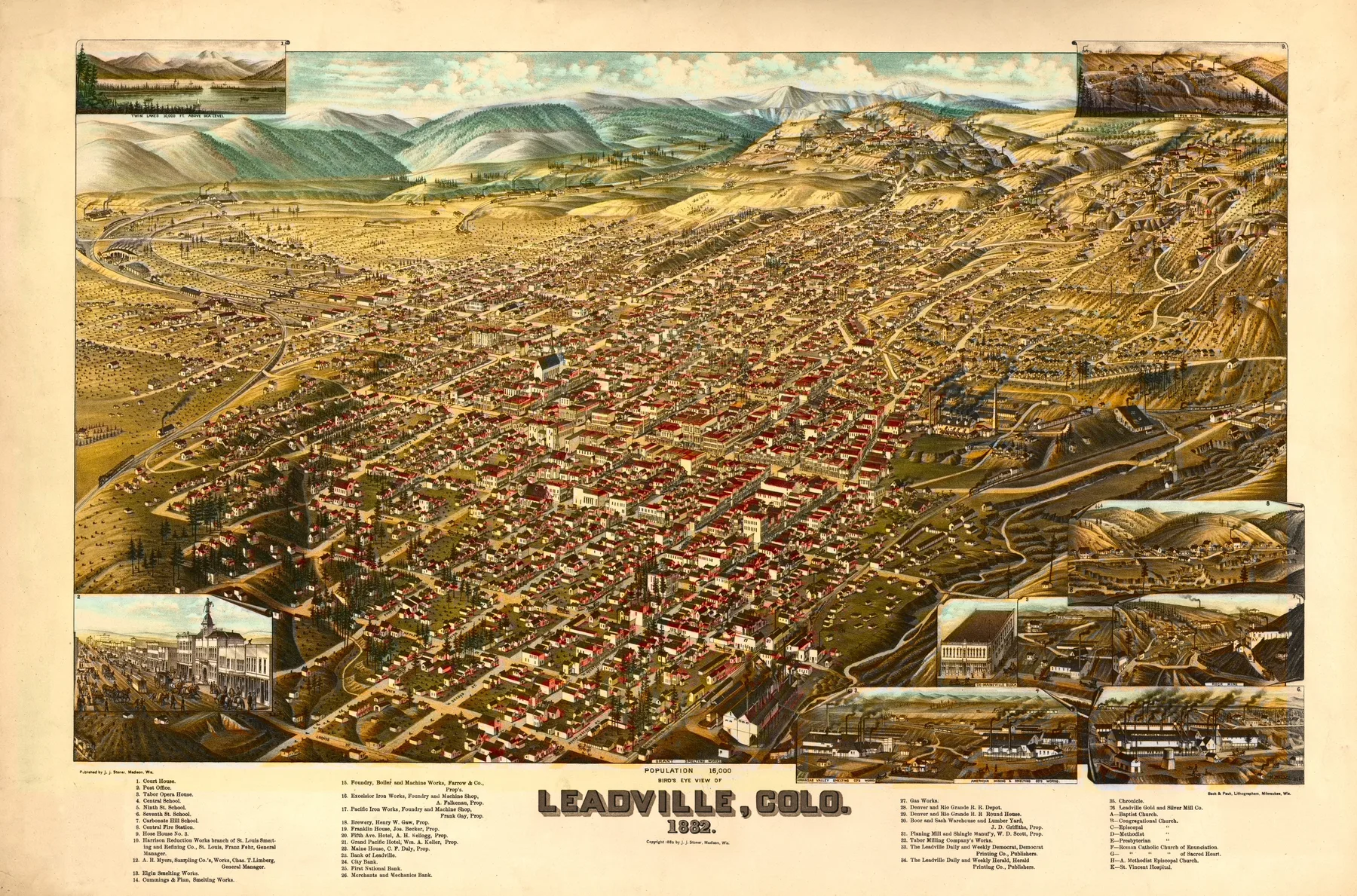
Panoramic city maps were made before anyone could look down from a drone, helicopter, or passenger plane. The artist had to build the height by hand. That meant walking the streets, climbing nearby rises, studying the waterfront, and sketching the city from several real vantage points before combining those views into one elevated image.
The finished drawing was not a casual snapshot. It was an argument about the city. Streets could be clarified, hills eased, or the waterfront opened so docks and shipping had more room. Public buildings, factories, churches, depots, and hotels received extra attention because they formed part of the case the city wanted to make for itself.
Once the draft settled, the image moved into lithographic production. Firms and artists such as J. J. Stoner, Henry Wellge, Albert Ruger, and regional lithographers turned the drawing into a printable sheet. That work meant stone or plate preparation, lettering, indexes, and enough discipline to keep thousands of roofs, trees, streets, and smoke plumes readable at full size.
These maps were commercial objects. Many sold by subscription, appeared in local newspapers, or drew backing from businessmen who wanted the city shown at its best. That is one reason the sheets speak with such force now. They record streets and buildings, but they mark which industries, districts, and landmarks a town thought deserved emphasis.
The easiest way to see that process at work is to compare several pages side by side. Start with the harbor cities, move into the industrial cities, or return to the full archive browse and watch how different cartographers solved the same visual problem in different places.
Sources and next paths
Harbor cities
Watch how artists solved the panoramic problem when water and shipping filled the foreground.
ThemeIndustrial cities
See how smoke, mills, furnaces, and warehouses change the structure of the image.
CartographersFollow the makers
Move from the process into the artists and firms who kept producing these views.